Showing posts with label Vitamins for Weight Loss. Show all posts

Sunday, August 7, 2016

Unveiling the Nutritional Treasures: Exploring the Health Benefits of Cashew Nuts

Health Benefits of Cashew Nuts

Cashew nuts contains vitamins and minerals and full of anti-oxidants, which are required for functioning the body. Cashew is kidney or bean shape, sweet and crunchy, and children love to eat them. It contains high calories, vitamins and minerals, copper, magnesium, and zinc. It helps in digesion, healthy gums and teeth, improve bones and nerves to make healthier.


Scientific name: Anacardium occidentale.


Origin : Brazil, but later Portugese brought these nuts to India.

In Different Languages:
Tamil  -  Munthiri Paruppu
Hindi  - Cashew nuts or ‘kaju‘
Telugu - Jeedipappu
Malayalam  - Andiparippu
kannada- Geru Beeja
Gujarati - Kaju


Health Benefits of  the Cashew Nuts:

  • Prevents from Cancer - Cashew nuts contains Proanthocyanidins and high copper content which fight against cancerous cells and stop them to divide further.
  • Keeps your Heart healthy - Cashew nut contains aleic acid and low fat content which makes your heart healthier and the anti-oxidant will prevent you from hear diseases.
  • Decrease High Blood Pressure - It will decrease your blood pressure, due to the presence of magnesium.Healthy Hair - Copper content is present in cashew nut, which helps your hair get that color.Healthy Bones - Due to the presence of magnesium, it will impreove the bone healthy.
  • Prevents Gallstones - It reduce the development of gallstones.
  • Helps in Weight Loss - Due to low fat content present in cashew nut, it will reduce your body weight.
  • Helps Digestion
  • Healthy Gums and Teeth
  • Pleasant sleep - During night time, daily taking cashew nut will make you relax and gives pleasant sleep.


Share:

Sunday, July 31, 2016

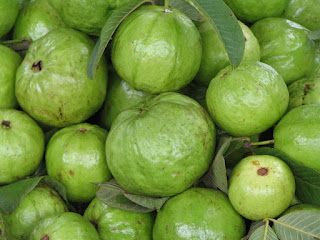
Health, Skin and Hair Benefits of Guava

Health, Skin and Hair Benefits of Guava

Guavas are a very common type of fruit, but people will neglect this fruit because of  their hardness & presence of seeds. It contains rich in vitamin C and antioxidants for skin. It improves skin texture, brain health and thyroid health, regulates sugar in diabetics, cures scurvy and prevent from cancer and breast cancer.

Scientific name : Psidium Guajava

Nutritional Value of  Guava:
Nutrients:

Dietary Fiber - 22%
Calories - 3%
Protein - 5%

Vitamins:
Vitamin C  - 381%
Vitamin A - 12%
Vitamin E - 4%
Niacin - 5%
Folate - 12%

Minerals:
Phosphorus - 4%
Potassium - 12%
Copper - 11%
Manganese - 8%
Magnesium - 5%

In Different Languages:
Tamil  -  Koiya Pazham
Hindi  - Amrood
Telugu - Jaamapandu
Malayalam  - Nattu Peraka
kannada- SeebeKayi
Gujarati - Jam phal
Marathi - Peru

Health Benefits:
  • Reduces symptoms of diarrhea.
  • Helps to maintain good eyesight.
  • Improves skin texture.
  • Improves brain health and thyroid health.
  • Regulates sugar in diabetics.
  • Used as a remedy for scurvy.
  • Prevent from cancer and breast cancer.
  • Helps to lose weight.
  • Prevents from cold and viral infections.
  • Cures Stomach Problem.
  • Cures Dengue Fever and toothache.
  • Improves Blood Circulation.
Benefits Of Guava For Skin:
  • Improves Complexion
  • UV Protection
  • Anti-ageing Properties
  • Natural Skin Toner
  • Treatment Of Acne And Dark Spots
  • Treatment Of Blackheads And Skin Itchiness
Benefits Of Guava For Hair:
  • Combats Hair Loss - Due to the presence of Vitamin V in guava fruit that promote healthy hair growth and also helps in combating hair loss problems.
Share:

Friday, July 29, 2016

Exploring the Health Benefits of Pineapple: A Tropical Fruit with Powerful Nutritional Punch

Pineapples are a delicious tropical fruit; it can be eaten fresh, juiced, cooked, and preserved. They belong to the Bromeliaceae family, now cultivated in large quantities in Brazil, the Philippines, and Costa Rica, Paraguay and Brazil, and parts of the Caribbean. Pineapple are also known as “ananas”. Pineapple help you lose weight, strengthen bones, improve oral health, promotes eye sightreduce inflammation, prevent cancer and so on.


Nutritional Value of  Pineapple

Nutrients:
Dietary Fiber - 6%
Carbohydrate - 4%
Calories - 2%
Protein - 1%
Vitamins:
Vitamin C - 80%
Thiamin - 5%
Vitamin B6 - 6%
Folate - 5%
Minerals:
Potassium - 3%
Manganese - 46%
Magnesium - 3%
Copper- 6%

Health Benefits:

  • Effective Arthritis Solution
  • Treats Indigestion & Digestion Related Problems
  • Natural Diuretic
  • Maintains Cardiovascular Health
  • Remedy for Menstrual Disorders
  • Promotes Bone Health
  • Maintains Eyesight
  • Promotes Oral Health
  • Boost immune system
  • Good remedy for curing coughs and colds
  • Protects against constipation
  • Helps to reduce inflammation of joints and muscles
  • Prevents heart attacks and strokes
NOTE:
%Daily value per 100g. For example, 100g of pineapple provides 80% of daily requirement of Vitamin C.

Share:

Monday, June 20, 2016

6 Benefits of Eating Watermelon (Tarbooz) During Pregnancy

 Benefits of Eating Watermelon (Tarbooz) During Pregnancy

Watermelon has high fiber content, is a good source of Vitamin A, Vitamin C, Vitamin B6, magnesium and potassium. It is a solution to many of the problems a woman faces during early pregnancy.

Health Benefits of Watermelon during Pregnancy
There are many benefits of eating watermelon during pregnancy and a few side effects too. We list them here for you!

1. Eases Heart Burns
2. Reduces Swelling
3. Alleviates Morning Sickness
4. Prevents Dehydration
5. Reduces Muscle Cramps
6. Prevents Pigmentation

Is it safe to eat watermelon during pregnancy?
Though watermelon is extremely good for health, it does have a few side effects. They are as follows:

Side Effects

1. High Glucose Content
2. as a Cleanser
3. May Cause Gastric Problem
Share:

Thursday, April 28, 2016

Unveiling the Wellness Elixir: Exploring the Health Benefits of Herbal Tea


Herbal tea has been cherished for centuries for its medicinal properties and soothing effects. In this exploration, we delve into the multitude of health benefits that herbal tea offers:

  • Rich in Antioxidants: Herbal teas are abundant in antioxidants, such as flavonoids and polyphenols, which help neutralize harmful free radicals in the body, reducing oxidative stress and lowering the risk of chronic diseases.
  • Supports Digestive Health: Many herbal teas, such as peppermint, ginger, and chamomile, have been traditionally used to alleviate digestive discomfort, including bloating, gas, indigestion, and nausea. They can also promote healthy digestion and regular bowel movements.
  • Relieves Stress and Anxiety: Herbal teas like chamomile, lavender, and lemon balm possess calming properties that can help reduce stress, anxiety, and promote relaxation. Sipping on a warm cup of herbal tea can be a comforting ritual to unwind after a long day.
  • Boosts Immunity: Certain herbal teas, such as echinacea, elderberry, and ginseng, are renowned for their immune-boosting properties. They can help strengthen the immune system, ward off infections, and reduce the severity and duration of colds and flu.
  • Improves Sleep Quality: Herbal teas like valerian root, passionflower, and chamomile have sedative effects that can promote better sleep quality and alleviate insomnia. Enjoying a cup of herbal tea before bedtime can help relax the mind and body, facilitating a restful night's sleep.
  • Anti-Inflammatory Effects: Many herbal teas, including turmeric, ginger, and green tea, exhibit anti-inflammatory properties that can help reduce inflammation in the body, alleviate pain, and protect against chronic diseases like arthritis and cardiovascular disease.
  • Supports Weight Management: Some herbal teas, such as green tea, dandelion tea, and hibiscus tea, have been shown to aid in weight management by boosting metabolism, promoting fat burning, and suppressing appetite.
  • Promotes Hydration: Herbal teas are a hydrating alternative to sugary beverages and can contribute to meeting daily fluid intake needs. Staying properly hydrated is essential for overall health, including maintaining skin health, regulating body temperature, and supporting bodily functions.
  • Rich in Nutrients: Depending on the herbs used, herbal teas can be a good source of vitamins, minerals, and other beneficial compounds that contribute to overall health and well-being.

Incorporating herbal tea into your daily routine is a simple and enjoyable way to reap the numerous health benefits it offers. Whether you prefer a soothing cup to unwind or a revitalizing blend to boost immunity, there's a herbal tea to suit every taste and health need.

Herbal teas are also called as 'tisanes'. Herbal teas are simple, effective, inexpensive, caffeine- and drug-free ways to enjoy the taste and benefits of herbs and spices. Herbal tea is a low-calorie beverage but avoids purchasing the flavoured ones.


Different Types of Teas and its Health Benefits:

Green Tea:
Green tea is called the “wonder herb”.
It helps to reduce free radicals.
It reduces the chances of cancer.
Prohibits the formation of tumors.
It lowers cholesterol.
It strengthens our immune system.
Helps fight against tooth decay and different viruses and also lowers blood pressure.

Ginger Tea:
Ginger increases our energy.
It also acts as a stimulator.
It helps to digest our food and to control problems like nausea.
It is helpful to Arthritic patients.

Peppermint Tea:
It reduces the problems of vomiting, motion sickness and nausea.
Strengthens our immune system.
It gives our body protection against mild coughs, mild asthma, and clearing of congestion, mild aches and chronic pain.

NOTE: Those who have been suffering from heart problems must avoid drinking peppermint tea because it might deteriorate your health.

Chamomile Tea:
It reduces our stress and helps to digest food.
It secures peaceful sleep and reduces the problems of insomnia.
People who are allergic to chamomile should abstain from drinking this tea.

Rose hip Tea:
Rose hip Tea is a rich source of vitamin C.
Beneficial to our tissue health, adrenal function and skin
It helps to strengthen our immune system.

Lavender Tea:
It helps to reduce respiratory issues, cough, asthma, bronchitis and body temperature.
Used for treating fever.
It helps to heal ulcers, sores, cuts and wounds.

Lemon Balm Tea:
Reduce stress and calm nerves.
It also helps to control thyroid problems and lowers insomnia and anxiety.
It increases the capacity of our memory and refreshes our mood.
It lowers the problems of stomach, digestive system and flatulence.

Hibiscus Flower Tea:
It helps to reduce hypertension, cholesterol and blood pressure.
Protection against cell-damaging free radicals.

Milk Thistle Tea:
Helps to clean liver, and its components improve liver function.
It also improves our digestive system through the production of bile.

Echinacea Tea:
Helps to improve immune system.
It reduces pain and inflammation.
It helps us to prevent the common cold.

Blackberry leaves Tea:
It boasts of the refreshing berry-flavor.
It contains anti-oxidant like flavonoids.

Dandelion Tea:
It lowers fluid retention
Provides soothing pleasure to pain and swelling caused by arthritis.
It improves our digestive system and liver function.

Hawthorn Tea:
It enhances blood circulation
It helps to improve cardiovascular health.
It reduces stress and improves the process of drainage of excess salt from our body.

Cinnamon Tea:
It is beneficial for weight loss.
It enhances our bodily strength to fight against viruses.
It helps to control blood sugar.

Cardamom Tea:
Cardamom tea is made from dried white cardamom flowers and aromatic seeds.
It lowers indigestion, stomach pain and reduces flatulence and the problem of feeling nauseous.
It aids the fight against pulmonary disorders and coughs.
It helps to discard caffeine from our system.
During the period of menstruation, it also helps to refresh the mind of women.

Red Clover Tea:
It helps in relieving the complications and discomfort related to menopause.
It reduces stress and helps to have a peaceful sleep.
It strengthens bones and improves the power of our memory.

Rooibos Tea:
Reduces stress and lowers the problems of insomnia.

Nettle Tea:
It is really effective in anemia
Reduces high blood pressure as well as relieves the pain of rheumatism and arthritis.
It strengthens our immune system.
It helps fight against coughs and colds.
It lowers problems like urinary tract infections, kidney and bladder problems and congestion.
Share:

Sunday, March 20, 2016

Health Benefits of Pomegranate

Health Benefits of Pomegranate

Biological Name: Punica granatum

Pomegranate (anar) are considered as the ‘fruits of paradise’ in ancient cultures, and ‘apple of Grenada” in early English. Pomegranate fruit is a native to Persia and the Western Himalayan range and it is considered to be one of the oldest fruits.

The varieties of pomegranate are Balegal, Crab, Cloud, Francis, Freshman and Granada. The side effects of Pomegranate are Allergic reaction, Cold, Breathing difficulty, Irritation, Swelling.  Pomegranates are used in cooking, baking, meal garnishes, juice blends, smoothies, and alcoholic beverages, such as cocktails and wine. It is also cultivated in parts of California and Arizona. They are said to be good sources of vitamins, since it includes vitamin A, C and E, as well as folic acid and also called as “healthy powerhouse” and ‘bad’ cholesterol.

It improves blood circulation and reducing inflammation. Other health benefits include being a cure for stomach disorders, cancer, dental conditions, osteoarthritis, anemia and diabetes, prevent hair loss, and strengthen your hair. It is useful for the treatment of sore throats.

In Different Languages
Spanish                -              Granada
French                 -              Grenade
Filipino                 -              Granada
Hindi                    -              Anar
Tamil                    -              Mathulam pazham
Malayalam            -              Mathulam
Telugu                   -              Danimma pandu
Gujarati                  -             Dalamb
Bengali                   -             Dalim
Marathi                  -              Dalimb
Oriya                      -             Dalimba
Punjabi & Urdu       -             Anar

Nutritional Value of Pomegranates
Nutrients:
Dietary Fiber - 16%
Carbohydrate    -   6%
Calories  -   4%
Protein     - 3%

Vitamins:
Vitamin K    -21%
Vitamin C    - 17%
Folate    -   10%
Vitamin B6     -    4%

Minerals:
Copper    - 8%
Potassium      - 7%
Manganese     -   6%
Phosphorus     -    4%
Health Benefits of Pomegranates
  • Provides relief from stomach disorders
  • Protects against heart ailments
  • Reduces risk of developing cancer
  • Lowers dental plaque
  • Helps reduce symptoms of anemia
  • Curbs risk of delivering premature babies
  • Provides youthful & glowing skin
  • Prevents hair loss, Promotes longer and healthier hair, Treatment of dandruff.
  • Natural hair conditioners and contain nutrients
  • Helps overcome impression
  • Lowers blood pressure
  • protect cardiovascular health
  • Good in pregnancy
  • Prevents in hair loss
  • Improves memory
  • Increase appetite
  • Avoids low birth weight for newborn infant
  • Reduce the possibility of developing Alzheimer’s disease among older generations
  • Helps to control aging problems like wrinkles
  • Overcome post-menopausal depression.
Note:
% Daily Value per 100g. For e.g. 100g of Pomegranate provides 21% of daily requirement of Vitamin K
Other Benefits

Share:

Saturday, March 12, 2016

The Nutritional Powerhouse: Exploring the Health Benefits of Potatoes


Health Benefits of Potatoes

Potatoes are one of the most common and important food sources on the planet. The term potato can refer to either the plant or the entire tuber, which is rather shapeless and ugly, in most varieties. Potato contains a wealth of health benefits that make them all the more essential as a staple dietary item. Its scientific name is Solanum Tuberosum, and it is actually a member of the Nightshade family.

These health benefits include their ability to improve digestion, reduce cholesterol levels, boost heart health, protect from polyps, prevent cancer, manage diabetes, strengthen the immune system, reduce signs of aging, protect the skin, increase circulation, reduce blood pressure, maintain fluid balance, reduce insomnia, and boost eye health.

They were first cultivated somewhere between 7,000 and 10,000 years ago in that Central American and South American region and they are native to the Americas, most likely in the Andes, Peru, and Bolivia. they can be prepared in dozens of ways, including baked, fried, sliced, mashed, and many more.

Nutritional values of potatoes   


Nutrients:
Dietary Fiber - 10%
Protein - 5%
Carbohydrates - 5%
Calories - 3%

Vitamins:
Vitamin C - 19%
Vitamin B6 - 12%
Niacin - 5%
Folate - 4%

Minerals:

Manganese - 30%
Copper - 21%
Iron - 18%
Potassium - 12%

Starch Content:Potatoes contain about 17% starch and it is one of the best natural sources of starch. Potato sprouting leads to the conversion of starch into sugar, so you should avoid eating sprouted potatoes.

Note: Most of the nutrients in a potato are just beneath its skin. If you eat the skin along with the potato, you get all these nutrients, or else what you primarily end up eating is just carbohydrates!

Health Benefits of Potatoes

  • Weight Gain
  • Digestion
  • Skin Care
  • Scurvy
  • Rheumatism
  • Inflammation
  • Cancer Prevention
  • High Blood Pressure
  • Brain Function
  • Heart Diseases
  • Kidney Stones
  • Diarrhea
  • Good treatments for
  • Burns, bruises, sprains, skin problems
  • Ulcers, effects of narcotics
  •  Prostate cancer, uterine cancer
  • Formation of cysts or tumors.

Tips to Reduce Loss of Potato Nutrients

Here are some tips that will help you in reducing the loss of potato nutrients:
  • Avoid peeling the potatoes before cooking them.
  • When you boil potatoes, first heat the water to its boiling point and then add the potatoes. This will reduce the cooking time and help you maintain the Vitamin C content.
  • Minimize frying of potatoes, as 75% of Vitamin C is lost during frying.
Share:

Wednesday, October 14, 2015

Broccoli - The World's Healthiest and Nutrients Food

Broccoli is a very good source of dietary fiber.  It has its roots in Italy and spread throughout the Near East where it was cherished for its edible flower heads and brought back to Italy where it was further cultivated. Broccoli was introduced to the United States, it contains dietary fiber, pantothenic acid, zinc, calcium, iron, manganese, vitamin A, B1, B6 and E, omega-3 fatty acids, protein, phosphorus, niacin, selenium, choline, potassium, and copper.

Broccoli - The World's Healthiest and Nutrients Food


Broccoli Nutrients Benefits
  • Broccoli is a good source of vitamins K & C, folate (folic acid) and also provides potassium and dietary fiber. 
  • Special nutrients found in broccoli are Glucoraphanin, gluconasturtiian, and glucobrassicin are 3 glucosinolate phytonutrients.
  • It helps for detox process, including activation, neutralization, and elimination of unwanted contaminants
  • Broccoli helps to solve our vitamin D deficiency epidemic, vitamin K and vitamin A helps for metabolism in balance.
  • It has rich source of a flavonoid called kaempferol (hypoallergenic diet) has impact of allergy-related substances on our body.
Vitamin K – necessary for the functioning of many proteins helps for blood clotting
Vitamin C – builds collagen (forms body tissue and bone). It is a powerful antioxidant helps cuts and wounds heal which protects your body from damaging free radicals.
Fiber  - contains high fiber. It will promote digestive health. It helps for lower cholesterol.
Potassium - a mineral and electrolyte. It helps our body for the function of nerves and heart contraction.
Folate - It helps to produce and maintain the new cells in our body.

Health Benefits in Broccoli
  • Chronic inflammation 
  • Oxidative stress
  • Inadequate detoxification
These three types of problems have yet to become part of the public health focus

Broccoli and Cardiovascular Support
  • Decreased risk of heart attacks and strokes
  • Cholesterol-lowering ability
  • Major contribution in B-complex vitamins
  • Vitamin B6 and folate intake can help from the risk of excessive homocysteine formation
Broccoli and Digestive  Support
  • It contains Fiber support, and ITC (isothiocyanate) support
  • 1 gram of dietary fiber = 10 calories
  • Prevent bacterial overgrowth of Helicobacter pylori
Broccoli and Cancer Prevention
  • Combination of antioxidant, anti-inflammatory, and pro-detoxification components
  • Broccoli is a unique food for cancer prevention
  • These foods are better than pills when it comes to providing vitamins
  • It decreased risk of prostate cancer, colon cancer, breast cancer, bladder cancer, and ovarian cancer
Other Health Benefits Provided by Broccoli

Eye health
  •     Two carotenoids(lutein and zeaxanthin) play an important role in the health of the eye.
Skin support
  •     Sun-damaged skin
  •     Glucoraphanin found in broccoli, it protects your skin
Increasing research interest
  •     Excellent source of vitamin K and also of vitamin A
  •     Vitamin K and vitamin A appear to help keep our vitamin D metabolism in proper balance.
Share:

Monday, August 31, 2015

Unlocking the Power of Vitamins: The Best Vitamins to Support Weight Loss Efforts

African Mango 
 
African mango is commonly called as “ Irvingia gabonensis”. This fruit contains more nutritional value, rich in calcium, Vitamin B and iron and it is a best treatment for obesity and cholesterol. It cures diarrhoea, diabetes and yellow fever, and prevents from cancer, infertility high Blood pressure and mental disorders. It contains oleic acids and fFatty acids; which are helps to improve brain health, body function and muscular development.


Bitter Orange
  • This works for weight loss because it extract from citrus fruit.
  • Recently it has been used as a less harmful substitution for harsh reactions in the body.
  • These vitamins help the body in plenty of ways, especially weight loss.
Coconut Oil
  • Coconut oil has higher amounts of saturated fat.
  • This oil is used for weight loss because it contains saturated fat.
  • Compared to various oils; this oil is good for health, and helps for weight loss.
Green Tea Extract 
  • Green Tea is good for health, mostly for its antioxidants.
  • It’s mainly for an effective weight loss supplement for its ability to increase your metabolism.
  • Green tea powder should mix it with warm water.

In the quest for weight loss, vitamins play a crucial role, serving as essential nutrients that support various metabolic processes in the body. While there's no magic pill for shedding pounds, incorporating certain vitamins into your diet can complement your weight loss efforts and promote overall health.

Let's explore some of the key vitamins that can support your journey towards achieving your weight loss goals:

Vitamin B Complex: The B vitamins, including B1 (thiamine), B2 (riboflavin), B3 (niacin), B5 (pantothenic acid), B6 (pyridoxine), B7 (biotin), B9 (folate), and B12 (cobalamin), are essential for energy metabolism. They help convert carbohydrates, fats, and proteins into energy that the body can use. Adequate intake of B vitamins can support a healthy metabolism and help you feel energized throughout the day, making it easier to engage in physical activity and burn calories.

Vitamin D: Vitamin D is known as the "sunshine vitamin" because the body produces it in response to sunlight exposure. However, many people have insufficient levels of vitamin D, especially those who live in regions with limited sunlight or spend most of their time indoors. Vitamin D deficiency has been linked to weight gain and obesity, so ensuring adequate vitamin D intake through sunlight exposure, dietary sources, or supplements may support weight loss efforts.

Vitamin C: Vitamin C is a powerful antioxidant that plays a role in fat metabolism and may help support weight loss. Research suggests that adequate vitamin C levels are associated with lower body fat levels and a reduced risk of obesity. Additionally, vitamin C is important for collagen synthesis, which helps maintain skin elasticity during weight loss.

Vitamin E: Vitamin E is another antioxidant that may support weight loss by protecting cells from damage caused by free radicals. While more research is needed to fully understand the relationship between vitamin E and weight loss, ensuring adequate intake of this nutrient through foods like nuts, seeds, and leafy greens can contribute to overall health and well-being.

Conclusion: Incorporating vitamins into your diet through whole foods and supplements can support your weight loss efforts and promote overall health. However, it's essential to remember that vitamins are not a substitute for a balanced diet and regular exercise. Consult with a healthcare professional or registered dietitian to determine the best approach for incorporating vitamins into your weight loss plan, taking into account your individual needs and goals. With the right combination of nutrients and lifestyle choices, you can unlock the power of vitamins to support your journey towards a healthier, happier you.

Note: Before taking African mango, consult your doctor.

Share: